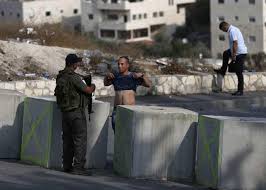
Senior Catholic leaders were initially blocked from the Church of the Holy Sepulchre during Palm Sunday observances
Israeli officials said the restriction was a precaution due to regional tensions and missile threats
European and U.S. officials and religious institutions criticized the move as disproportionate
The prime minister intervened and permitted clergy access for the remainder of Holy Week
The incident
Senior Catholic leaders were prevented from entering the Church of the Holy Sepulchre on Palm Sunday, blocking planned prayers at one of Christianity’s most venerated sites. Local worshippers and clergy described the action as unprecedented in recent memory, and religious officials said the restriction interrupted key observances during Holy Week.
Government rationale
Israeli authorities said the decision was driven by security concerns tied to ongoing regional tensions and specific missile threats, framing the measure as a precaution to protect public safety. Officials stressed the restrictions targeted access to the Old City and key religious locations and were not intended to single out any faith community.
International response
The move drew swift condemnation from religious institutions and diplomatic figures in Europe and the United States, who raised alarms about freedom of worship and described the restriction as disproportionate given the limited, planned nature of the religious gathering. Critics argued that preventive security steps should be balanced against the need to maintain access to historic holy sites.
Resolution and implications
Following international pressure, the prime minister intervened and authorized clergy to access the church for the remainder of Holy Week. Analysts cautioned that security-driven disruptions to religious ceremonies risk deepening communal sensitivities in Jerusalem and could complicate efforts to manage coexistence at sites of profound significance to multiple faiths.